


How Zoloft Helps Calm Anxiety Symptoms
When anxiety feels like a loop of racing thoughts and tight, restless energy, Zoloft can help slow the spiral. As an Rx taken daily, it works gradually to ease the constant “on edge” feeling, making it easier to breathe, focus, and move through the day without every worry hitting at full volume. Many people describe the change as subtle at first, then steadier over time.
Zoloft is a selective serotonin reuptake inhibitor, which means it helps keep more serotonin available in the brain. That extra support can reduce panic, social fear, and physical stress signals like chest tightness or stomach knots. It is not an instant fix, but for many patients it becomes a reliable foundation, especially when paired with therapy, sleep, and healthy routines.
| Common early effect | Possible benefit |
| Less racing thoughts | More mental calm |
| Less body tension | Easier relaxation |
The Science Behind Zoloft’s Anxiety Relief
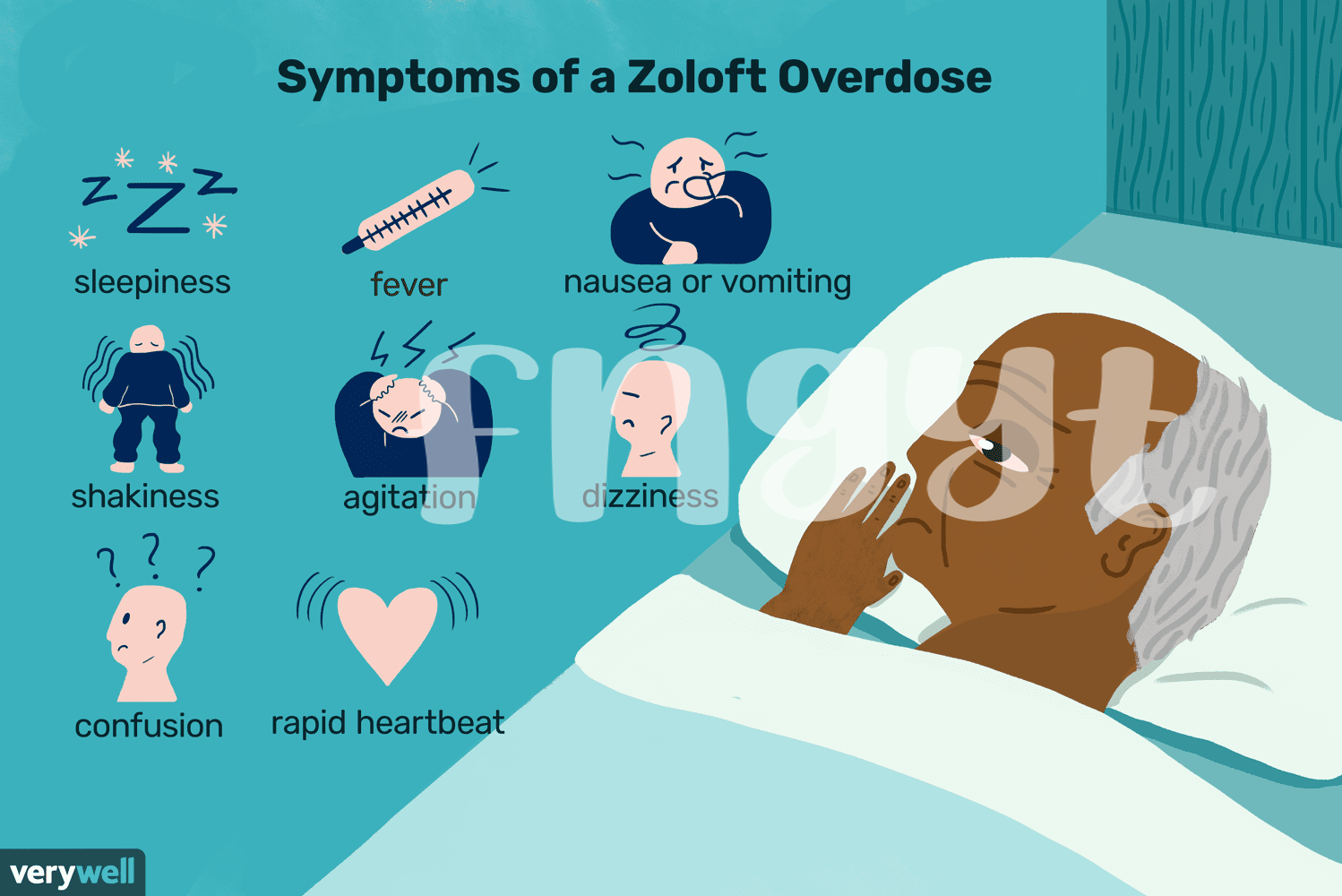
Zoloft works by influencing serotonin, a brain messenger tied to mood and stress response. When serotonin signaling becomes steadier, anxious thoughts can lose some of their intensity, making it easier to breathe, focus, and move through the day. Over time, this shift can support calmer patterns rather than constant alarm.
In medical terms, zoloft is a selective serotonin reuptake inhibitor, or SSRI. It helps keep more serotonin available between nerve cells, which may improve communication in areas that regulate fear and worry. This is why many people notice gradual relief rather than an overnight change.
For some, the benefit feels like less mental noise and fewer physical stress reactions. It is not a quick fix, but a steady biochemical reset that can make therapy and daily coping skills work better. As with any Rx, the effect depends on the person and the dose.
What Real Improvement Can Feel Like
The first real change often feels quiet: a morning starts without the usual knot in the chest, and a crowded room seems easier to handle. On zoloft, many people notice they can think before panic takes over. The constant background noise of worry may soften, leaving more room for sleep, focus, and ordinary conversation. It is not instant magic, but a steadier rhythm.
For some, the relief is practical. Emails get answered, errands feel manageable, and the mind stops racing at bedtime. Instead of feeling stuck in a loop, people begin to notice small wins.
That progress can feel hopeful, almost like getting their life back, one normal day at a time.
Common Side Effects and Early Adjustment
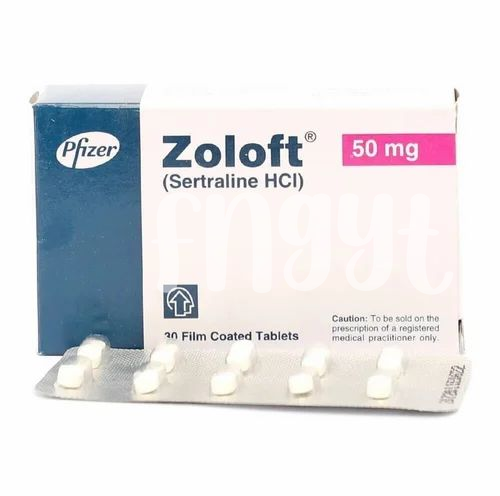
Early on, zoloft can feel a little uneven, almost like your body is learning a new rhythm. Some people notice nausea, mild dizziness, sleep changes, or a brief rise in anxiety before the benefits settle in. That does not always mean the medicine is wrong; it often means adjustment is underway.
Staying patient matters. A steady RX, taken as directed, gives your system time to adapt. Small habits—taking it with food, tracking symptoms, and checking in with your doctor—can make the first days easier and safer.
For many, these effects fade within weeks, while the calmer mood gradually becomes more noticeable.
Who Benefits Most from Zoloft Treatment
Zoloft tends to help most when anxiety has started to shrink daily life, making work, sleep, or relationships feel harder than they should. For people with persistent worry, panic symptoms, or anxiety that keeps returning, a steady Rx can offer real relief without the ups and downs of trying to manage everything alone. Many patients describe it as a slow easing of pressure rather than an instant shift, and that can be especially meaningful for those who have already tried coping tools but still feel stuck.
It can be a strong fit for people who can stay patient through the first few weeks and follow the Sig closely with their clinician. Some notice calmer mornings, fewer spirals, and more mental space to think clearly, while others do best when zoloft is paired with therapy and healthy routines. As with any Happy Pills option, the best results usually come from the right match, consistent use, and honest check-ins about progress and side effect.
Tips for Getting Better Results Safely
Taking Zoloft consistently, at the same time each day, helps keep levels steady and supports smoother anxiety control. Pair it with sleep, movement, and reduced caffeine so your nervous system has fewer triggers to fight. A trusted clinician can guide dose changes if needed.
Improvement is often gradual, so patience matters more than perfection. Keep a simple journal of mood, panic, and daily stress to spot patterns. If benefits stall, ask about a review of your Rx and possible adjustments.
Do not stop suddenly, even if you feel better; tapering is safer. Watch for side effects, especially during the first weeks, and report anything severe. Safe use is a team effort between you and your prescriber.
For deeper reading, see NHS sertraline guidance and MedlinePlus sertraline information.