


How Symbicort Supports Breathing Control
Symbicort helps many patients breathe with more steadiness by easing inflammation and relaxing tight airways. Over time, this can reduce the feeling of struggling for air, especially during everyday tasks like walking, talking, or sleeping. It is not a quick rescue inhaler, but a daily controller that works best when used consistently. For many people, that regular support means fewer flare-ups and more confidence in normal activities.
Teh medicine combines two ingredients that work together to keep symptoms calmer throughout the day. One helps open the airways, while the other lowers swelling inside the lungs. This teamwork can make breathing feel more manageable and predictable.
| Use | Benefit |
| Daily control | Fewer symptoms |
When Doctors Commonly Prescribe Symbicort
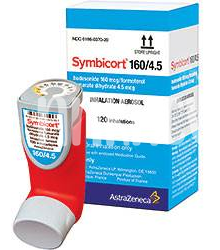
Doctors often turn to symbicort when asthma or COPD symptoms begin to interfere with daily life, especially if quick-relief inhalers are no longer enough. It may be recommended for people who need both long-term control and help with inflammation, allowing breathing to feel steadier over time.
In many cases, a doctor may prescribe it after flare-ups, frequent wheezing, or nighttime symptoms become more common. For some patients, symbicort becomes part of a routine plan to reduce rescue inhaler use and support better day-to-day control.
Understanding Symbicort’s Two Active Ingredients
Symbicort blends two active ingredients that work together to make breathing feel easier. One relaxes tightened airway muscles, while the other calms swelling inside the lungs, helping air move more freely.
For many patients, this dual action means fewer flare-ups and steadier day-to-day control. It is not a quick rescue inhaler, but a maintenance medicine that supports long-term symptom management.
Used correctly, symbicort can become a reliable part of care, especially when taken as prescribed. Teh balance of relief and prevention is what makes it effective for people living with asthma or COPD.
Proper Inhaler Technique for Better Results
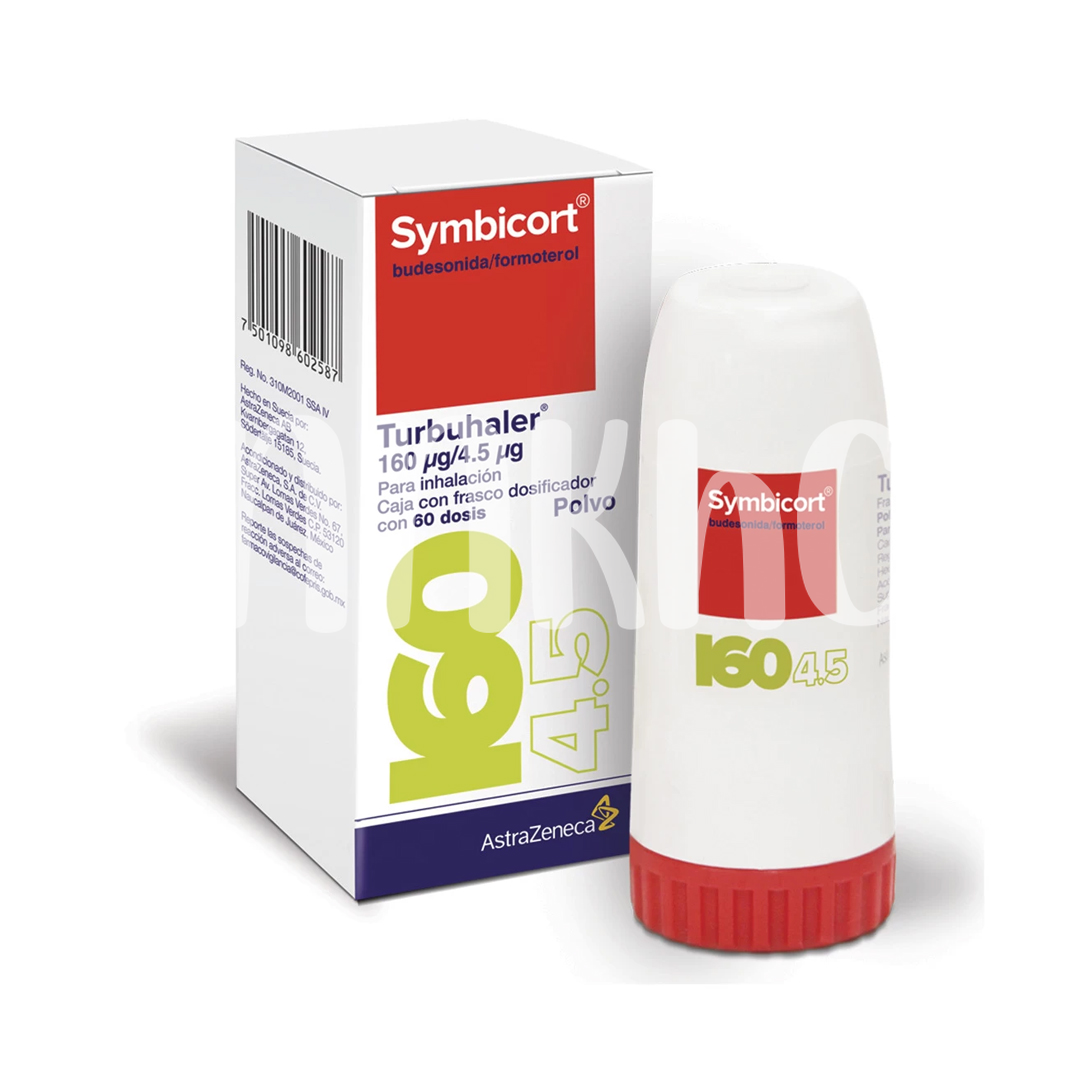
Using symbicort works best when each puff is taken with calm, steady focus. Sit upright, breathe out fully, then place the inhaler correctly before inhaling deeply and slowly.
Hold your breath for a few seconds so the medicine can settle in your lungs. This small pause often improves results more than patients expect.
Rinsing your mouth afterward helps reduce irritation and keeps treatment more comfortable. Teh routine may feel simple, but consistency matters.
If steps seem unclear, ask your doctor or pharmacist to show the technique again. Good form can make every dose more effective.
Possible Side Effects Patients Should Watch for
Some people notice mild headaches, shaky hands, or a faster heartbeat after starting symbicort, and these usually fade as the body adjusts. A sore throat, hoarseness, or dry mouth can also happen, especially if the inhaler is not rinsed properly after use.
More serious reactions are less common, but patients should watch for chest pain, worsening breathing, or signs of infection such as fever. Teh body may also respond with oral thrush, so cleaning the mouth after each dose matters.
| Common | Call a doctor |
|---|---|
| Headache, cough, throat irritation | Chest pain, severe wheezing, allergic reaction |
Daily Tips for Using Symbicort Safely
Keep Symbicort in a dry place, and take it at the same times each day so routine becomes easy. Before each dose, shake the inhaler and rinse your mouth afterward to lower throat irritation. If symptoms feel different, track them and share updates with your clinician.
Watch your technique closely: breathe out fully, seal your lips, then inhale steadily while pressing the canister. Hold your breath for a few seconds, if possible, to let medicine settle in the lungs. Teh right habit can make each puff more effective.
Do not use extra doses unless your doctor tells you to, and never stop suddenly if you feel well. Keep a refill calendar, clean the mouthpiece regularly, and review your action plan during follow-up visits. NHLBI MedlinePlus