

Understanding How Robaxin and Alcohol Interact
Robaxin can slow the central nervous system, and alcohol can do the same. When taken together, their effects may add up in ways that are harder to predict.
That means drowsiness, dizziness, and slowed reaction time can feel stronger than expected. Even routine tasks, like driving or climbing stairs, may become less safe.
The table below summarizes the basic interaction. It is not a substitute for medical advice, but it can help explain why caution matters.
| Substance | Possible effect |
|---|---|
| Robaxin | May cause sleepiness or dizziness |
| Alcohol | Can also impair alertness and coordination |
Because people respond differently, the safest approach is to avoid combining them unless a clinician says it is okay.
Why Mixing Them Can Increase Side Effects
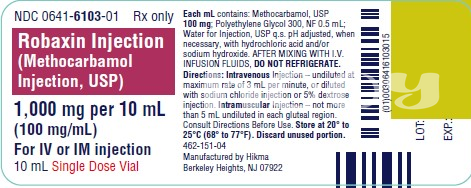
Mixing robaxin with alcohol can make side effects feel stronger and harder to manage. Both substances can slow your body’s responses, so you may notice more drowsiness, dizziness, or trouble focusing than you would with either one alone.
That combination can also affect coordination and judgment, raising the chance of falls, driving mistakes, or other accidents. For many people, the safest choice is to avoid alcohol while using robaxin and to ask a pharmacist or doctor if you are unsure.
Common Symptoms to Watch for after Use
After taking robaxin, some people notice drowsiness, dizziness, or a “heavy” feeling that makes everyday tasks feel harder than usual. You may also feel a bit unsteady when standing up, especially if you have had alcohol. These effects can show up quickly and may be stronger than expected, so it helps to pay attention to how your body feels in the first few hours.
Other symptoms can include blurred vision, slowed reactions, nausea, or trouble focusing. In some cases, your speech may seem slightly off, or you may feel more confused than normal. If you were planning to drive, cook, or handle anything that requires balance and concentration, these warning signs matter.
For many people, the safest move is to rest and avoid more alcohol until the effects pass. Drink water, change positions slowly, and notice whether symptoms improve or get worse. If you feel faint, very sleepy, or unusually confused, contact a doctor or pharmacist right away.
Activities to Avoid When Taking Robaxin
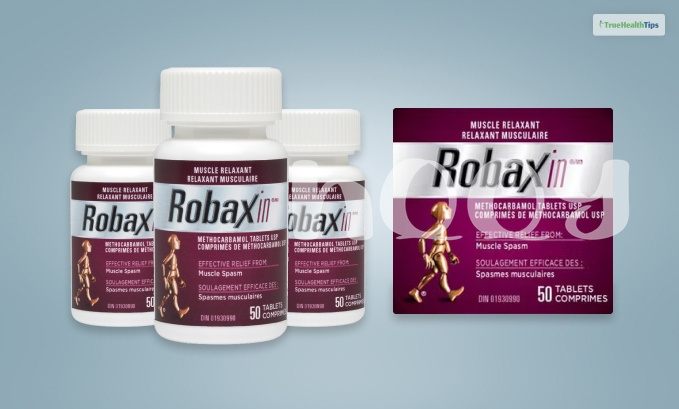
When taking Robaxin, skip driving until you know how it affects you. Drowsiness, slowed reaction time, or blurred thinking can make even a short trip risky, especially if alcohol is involved.
Avoid operating heavy machinery at work or at home. Ladders, power tools, and other sharp equipment require steady balance and clear focus, which may be harder to maintain with robaxin in your system.
Hold off on strenuous exercise, quick position changes, and any task that could lead to a fall. If you feel lightheaded, sit or lie down and give your body time to recover.
It is also wise to avoid alcohol, sleep aids, or other sedating medicines unless a clinician says they are okay. A few careful choices can help you stay safer while you heal.
When to Contact a Doctor or Pharmacist
If you take robaxin and start feeling unusually drowsy, confused, lightheaded, or unsteady, it’s worth calling a doctor or pharmacist. These symptoms can be more noticeable if alcohol was involved, and they may signal that your body is reacting more strongly than expected.
You should also reach out if you have trouble breathing, fainting, severe weakness, or a fast heartbeat. Even milder effects, like blurred vision or nausea that does not improve, deserve attention if they keep getting worse or interfere with daily tasks.
| Symptom | Action |
|---|---|
| Extreme sleepiness | Call a pharmacist or doctor |
| Fainting or trouble breathing | Seek urgent medical help |
If you are unsure whether your symptoms are serious, a pharmacist can help you sort it out quickly. They can also tell you whether your other medicines, alcohol use, or health conditions could be making robaxin less predictable for you.
Safer Habits for Managing Muscle Pain
Start with rest, gentle stretching, and a warm pack to ease tight muscles. Simple movement often helps more than staying still all day, and it can keep stiffness from building up.
Drink water, get enough sleep, and use over-the-counter pain relief only as directed. If you’re unsure what is safe with your other medicines, a pharmacist can help you sort it out.
If pain lingers or keeps returning, check in with a doctor to look for the cause. MedlinePlus: Methocarbamol DailyMed: Methocarbamol