

What Isotretinoin Is and How It Works
Isotretinoin is a prescription medicine used for severe acne that has not improved with other treatments. It comes from vitamin A and works by lowering oil production in the skin.
When oil glands make less sebum, pores are less likely to clog. That can help reduce acne-causing bacteria and calm inflammation over time.
Many people notice gradual changes, not instant results. A dermatologist monitors progress because this medicine can affect several parts of the body.
| Key idea | Simple explanation |
|---|---|
| Oil control | Less skin oil |
By targeting the source of acne, isotretinoin can help some people achieve clearer skin when other options have not worked.
Common Myths about Isotretinoin Treatment
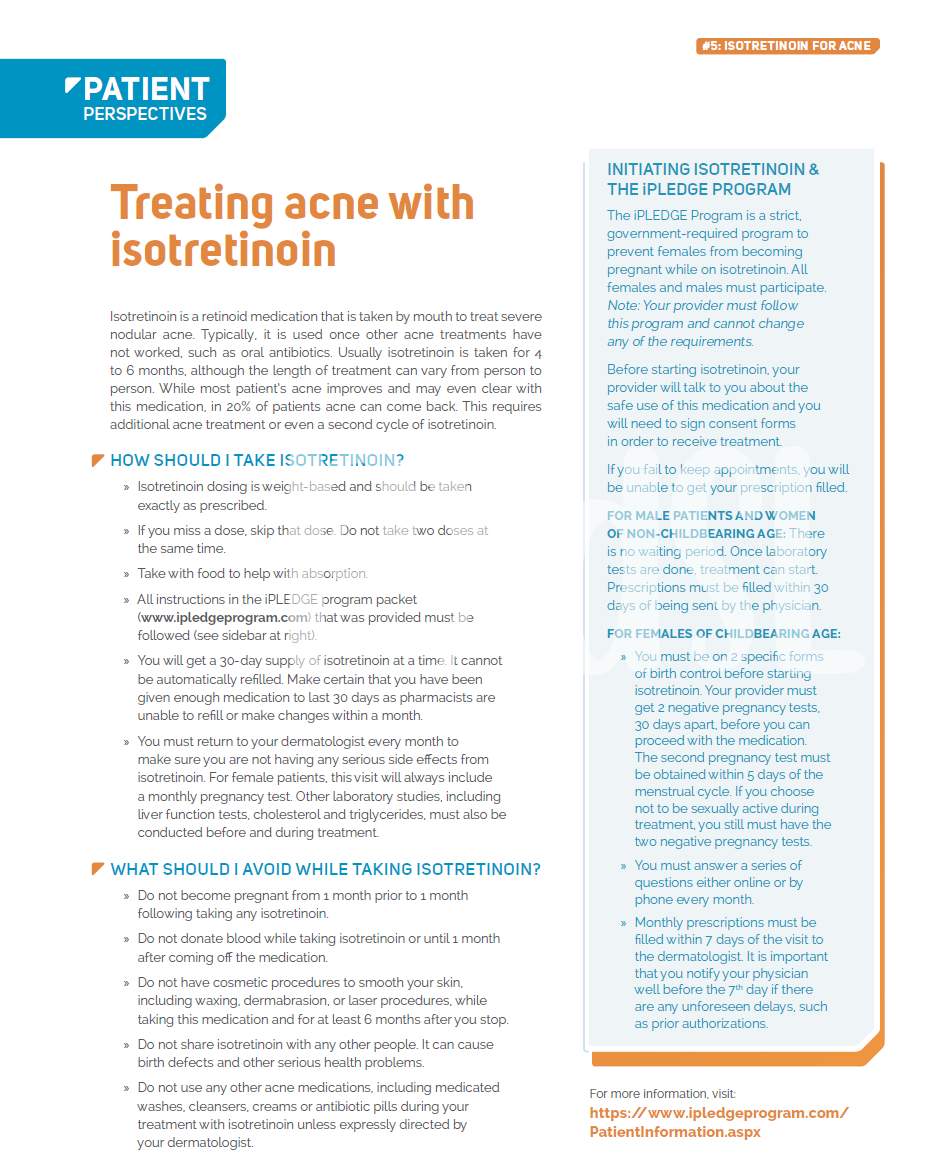
A lot of people hear stories about isotretinoin and assume the worst. One common myth is that it permanently damages the body in everyone who takes it. In reality, many side effects are temporary and improve after treatment ends, though monitoring is important. Another myth is that it is only for “severe” acne that nothing else can touch. Dermatologists may consider isotretinoin for stubborn acne that has not responded well to other options, but the decision is individualized.
Some also believe isotretinoin causes depression in every patient or that it should never be discussed because of fear. The truth is more nuanced: mental health history, lab tests, and overall health all matter. Misinformation can delay helpful care, so patients should ask questions and review facts with their dermatologist before making assumptions.
Who May Be Considered for Isotretinoin
Some people may be considered for isotretinoin when acne is severe, persistent, or causing scarring. It is often discussed after other treatments, such as topical medicines or antibiotics, have not worked well enough. For many patients, the decision depends on how much acne affects daily life, confidence, and skin health.
A dermatologist may also look at whether breakouts are deep, painful, or leaving marks behind. Age, medical history, and pregnancy potential are important factors too. Because isotretinoin requires careful planning, it is usually reserved for people who need a stronger, closely monitored option.
The goal is not just clearing skin, but helping reduce the long-term impact of stubborn acne. That is why a thorough visit matters before starting. A personalized discussion can show whether this medicine is the right next step for your situation.
Possible Side Effects and What to Expect

Starting isotretinoin can feel hopeful, but it also comes with changes many people notice early on. Dry lips, dry skin, and a little eye irritation are among the most common effects.
Some people also report nosebleeds, mild joint aches, or a temporary worsening of acne before improvement begins. These reactions can be uncomfortable, yet they do not happen the same way for everyone.
What to expect often depends on your dose and how your body responds. Regular follow-up visits help your dermatologist track side effects and adjust care if needed.
Using lip balm, moisturizer, and gentle skincare can make treatment easier. If you notice severe mood changes, strong headaches, or other concerning symptoms, contact your healthcare provider promptly.
Safety Precautions and Monitoring during Treatment
Before starting isotretinoin, your dermatologist will review your medical history, current medicines, and lab results. This helps spot risks early and sets a clear baseline for treatment.
During treatment, regular check-ins are common. Your clinician may order blood tests to monitor liver function and lipid levels, and may ask about mood changes, dryness, or other side effects.
| Monitoring | Why it matters |
|---|---|
| Blood tests | Track liver and cholesterol changes |
Call your dermatologist promptly if you notice severe symptoms, vision changes, or unusual mood shifts. Careful monitoring helps make isotretinoin treatment safer and more predictable.
Questions to Ask Your Dermatologist before Starting
Before starting treatment, ask what results are realistic and how long improvement usually takes. It also helps to ask whether your acne history, other medicines, or health conditions could affect the plan.
Bring up the side effects most likely to happen, especially dry skin, lip irritation, or changes in labs. Ask what symptoms should prompt a call right away and how often follow-up visits and blood tests are needed.
You may also want to discuss pregnancy prevention, if relevant, and what steps are required before, during, and after treatment. Clarify whether you should avoid alcohol, supplements, or other acne products.
Finally, ask how to take the medicine correctly, what to do if you miss a dose, and when you should expect to see progress. A clear plan can make the process feel more manageable and less stressful.