

Common Hydroxychloroquine Side Effects Patients Notice First
When hydroxychloroquine is started, some patients notice mild changes early on. A queasy stomach, loose stools, or a dull headache may appear in the first days, while others feel tired or slightly dizzy. These reactions are often manageable, but they should not be ignored if they persist.
Skin can also react with a light rash, itching, or increased sensitivity to sunlight. Many people describe these effects as uncomfortably noticeable rather than severe, yet they can affect daily routines and comfort.
Not every symptom means the medicine must be stopped, but patterns matter. Keep a simple log of what you feel, when it began, and whether it worsens after each dose.
| Common early effects | Possible signs |
| Stomach | Nausea, diarrhea |
| Body | Headache, dizziness |
| Skin | Rash, itching |
Digestive Discomfort: Nausea, Diarrhea, and Stomach Pain

Hydroxychloroquine can irritate the stomach early on, and many patients first notice nausea, loose stools, or a dull ache after taking a dose. These reactions are often mild, but they can still make treatment feel uncomfortable and interrupt daily routines. Taking the medicine with food or milk may help reduce symptoms, while staying hydrated can ease cramping and prevent dehydration if diarrhea appears.
For some people, the discomfort fades as the body adjusts; for others, it lingers and becomes more noticeable. If stomach pain is strong, vomiting starts, or bowel changes last several days, it is important to speak with a doctor. Small adjustments in timing or dose may help, but never stop hydroxychloroquine on your own without medical advice.
Eye Health Risks and Vision Changes Explained
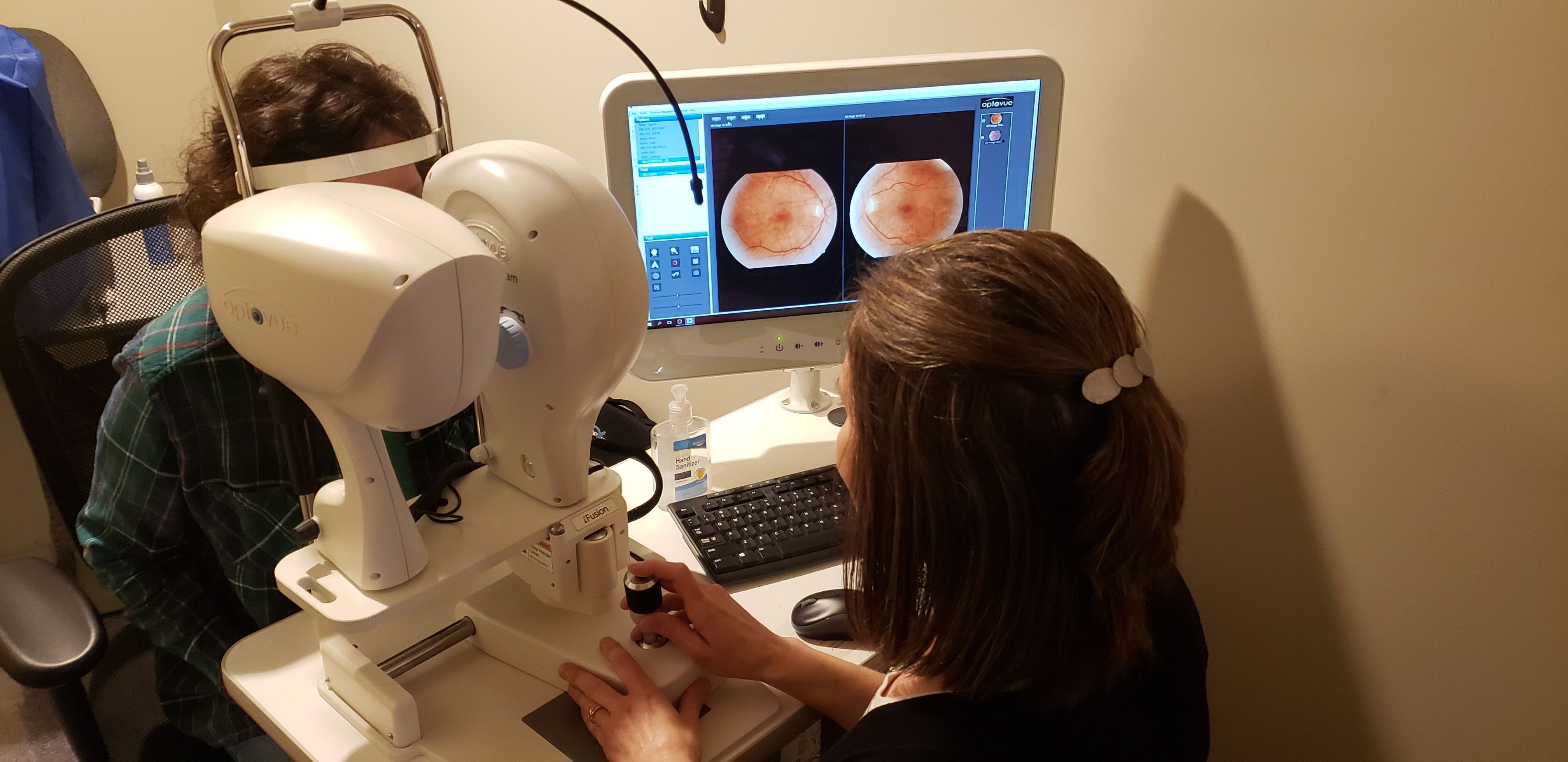
Hydroxychloroquine can quietly affect the eyes long before symptoms feel severe. Patients may first notice blurred vision, trouble reading, or colors looking dimmer than usual. These changes can be subtle, so regular eye exams are important for catching damage early.
Over time, the medicine may build up in retinal tissue and raise the risk of lasting harm. That is why doctors often recommend baseline screening and follow-up visits, even if your vision seems normal.
If you ever see flashes, blind spots, or a sudden drop in clarity, don’t wait. Contact your eye doctor promptly, because quick evaluation can help protect sight and guide safer treatment decisions.
Heart Rhythm Concerns and Warning Signs
Though uncommon, hydroxychloroquine can affect the heart’s electrical system, causing a slowed or irregular beat. Patients may feel palpitations, dizziness, faintness, or unusual fatigue, especially if they already have heart disease.
These warning signs should not be ignored. If chest discomfort, shortness of breath, or a racing pulse occurs, contact a doctor promptly, because early action can prevent serious complications.
Skin Reactions, Headaches, and Other Less Common Effects
A rash or mild itching can appear as hydroxychloroquine settles into the body, and many patients first notice it in the mirror before they feel unwell. Most cases are not severe, but a sudden, noticable flare should never be ignored.
Some people also report headaches that seem to arrive out of nowhere, along with fatigue or dizziness. These effects may fade on their own, yet they can still make daily routines harder and signal that the dose needs review.
Less common reactions include hair thinning, mood changes, or unusual sensitivity to sunlight. Staying observant helps patients catch patterns early, especially when new symptoms start after a change in treatment.
| If symptoms spread quickly or become intense, medical advice is wise. |
When Side Effects Need Immediate Medical Attention
If hydroxychloroquine triggers trouble breathing, swelling, or a sudden rash, don’t wait. Severe symptoms can signal an allergic reaction, and quick treatment may be necessary. Call emergency help if the skin blisters, the lips turn blue, or fainting occurs.
Chest pain, a racing heartbeat, or an irregular pulse can also be serious, especially for people with heart conditions. Teh safest move is to stop activity and seek urgent care right away if dizziness or severe weakness appears.
Vision changes need prompt attention too: blurred sight, flashing lights, or trouble reading can point to eye damage. If these symptoms come on suddenly or worsen, contact a doctor immediately rather than hoping they pass.
When in doubt, act quickly. Early care can prevent bigger problems, and a clinician can decide whether the medicine should be paused. NCBI Bookshelf American Academy of Ophthalmology