

What Flexeril Is and How It Works
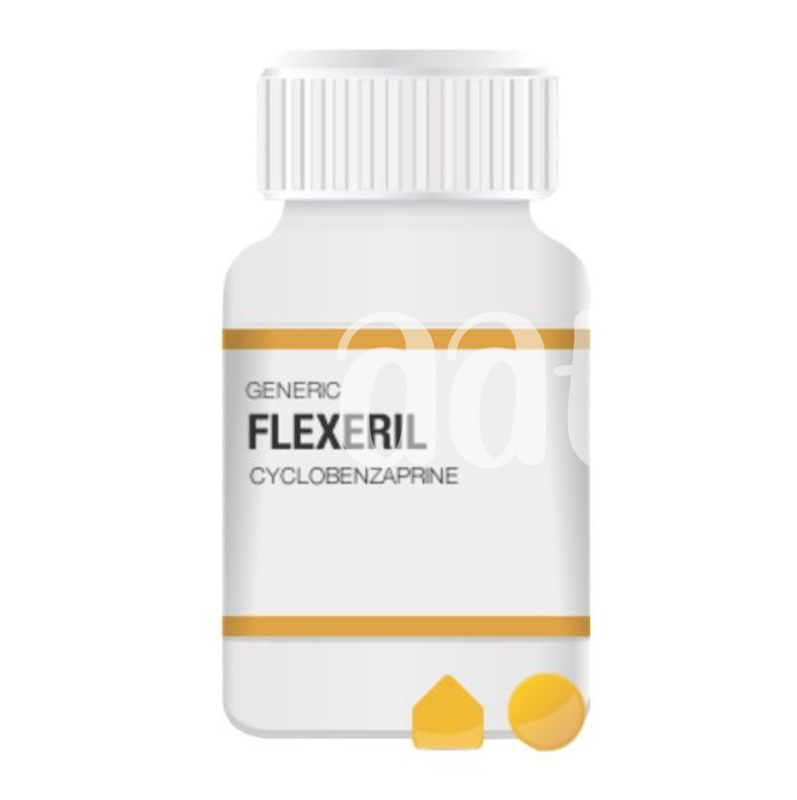
Flexeril is the brand name for cyclobenzaprine, a prescription muscle relaxant that may be used for short-term relief of muscle spasms. It is not a painkiller in the usual sense. Instead, it acts mainly on the central nervous system, helping reduce the muscle tightness and discomfort that can follow an injury or strain.
By calming nerve signals that contribute to muscle spasm, it can make it easier to rest and move more comfortably. Many people notice that it may cause drowsiness, dry mouth, or dizziness. Because of these effects, it is often taken with caution and under a clinician’s guidance.
| Common effect | Possible result |
| Central nervous system action | Less muscle spasm |
| Sedating effect | Sleepiness or slowed reactions |
For readers, the key point is simple: Flexeril helps relax muscles by affecting the brain and nerves, not by directly treating the source of pain. That distinction matters when considering other substances, since anything that also slows the nervous system can change how you feel and function.
Why Alcohol Can Intensify Side Effects
Alcohol can make flexeril’s drowsiness feel much stronger, turning a routine evening into one that feels heavy, foggy, or hard to manage. When both substances are in your system, the brain and body may slow down more than expected, making everyday tasks like driving, cooking, or even standing up feel riskier.
That added sedation can also blur judgment and coordination. Some people notice dizziness, confusion, or trouble focusing, while others feel unusually weak or unsteady. Because alcohol and flexeril can both affect alertness, their combined effect may be more intense than either one alone.
The mix is especially concerning if you are already tired, dehydrated, or taking other medicines that cause sleepiness. Even a small amount of alcohol may increase side effects in a noticeable way, so caution matters.
Common Risks of Combining Both Substances
Mixing flexeril with alcohol can make everyday tasks feel suddenly risky. Both can slow the central nervous system, so drowsiness, poor coordination, and slowed reaction time may become stronger than expected.
Some people notice dizziness, blurred thinking, or trouble staying alert. That can turn driving, cooking, or even walking down stairs into a real hazard, especially if the alcohol amount is more than planned.
The combination may also increase confusion, fatigue, and an unsteady feeling that lasts longer than either substance alone. For some, the sedating effects can build quietly before they realize how impaired they are.
Because people respond differently, the safest approach is to avoid treating this mix casually. Even a small amount of alcohol can make the side effects of flexeril harder to predict and harder to manage.
How Long to Wait between Use and Drinking
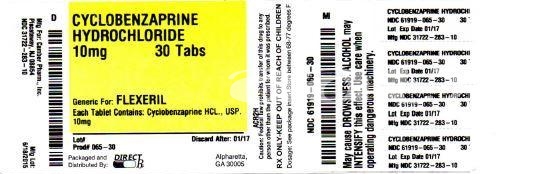
There isn’t a one-size-fits-all timer for flexeril and alcohol. A cautious approach is to avoid drinking until the medication has had time to clear your system, since its drowsy effects can linger even after you stop feeling them. For many people, that means waiting at least 24 hours after the last dose before having alcohol, but longer may be wiser if you took a higher dose, used it regularly, or still feel sleepy, dizzy, or unfocused.
If you’re unsure, ask a pharmacist or prescriber before mixing the two at all. Your body can react differently based on age, liver function, other medicines, and how sensitive you are to sedation. When pain is involved, it may feel tempting to unwind with a drink, but giving your body extra time can help lower the chance of next-day grogginess, poor coordination, and other unwanted effects.
Warning Signs That Need Immediate Attention
If someone takes Flexeril and alcohol together, sudden drowsiness, confusion, or trouble staying awake can be a red flag. These symptoms may seem mild at first, but they can worsen quickly, especially if the person is alone or has taken more than one dose.
Emergency help is needed if breathing becomes slow or shallow, the person cannot be awakened, or they pass out. Chest pain, severe dizziness, fainting, or a seizure also need immediate attention. Do not wait to see if the symptoms fade.
| Emergency sign | What to do |
|---|---|
| Hard to wake | Call 911 |
| Breathing problems | Seek emergency care |
If you are unsure whether symptoms are serious, treat them as urgent. When flexeril and alcohol are involved, it is safer to get help quickly than to guess and wait.
Safer Choices for Pain Relief and Relaxation
When pain or tension lingers, many people find relief with rest, gentle stretching, heat, hydration, and a calm room. These simple steps can ease discomfort without adding extra risk.
For muscle pain, over-the-counter pain relievers may help, but use them only as directed and check with a pharmacist if you take other medicines. A short walk or light movement can also reduce stiffness.
For relaxation, try deep breathing, mindfulness, or a warm shower instead of alcohol. If symptoms continue, a clinician can suggest a safer plan tailored to your needs.