

Common Side Effects People May Experience
Some people who take Fildena may notice mild effects that are more annoying than alarming. Headache, facial flushing, stuffy nose, and an upset stomach are among the more familiar complaints. A few readers also describe dizziness, a warm feeling, or light sensitivity. These reactions often appear soon after taking the medication and may fade as the body adjusts. Staying hydrated, avoiding alcohol, and resting in a calm setting can help some people feel better, but symptoms that linger should not be ignored.
| Possible mild effects | What people may notice |
|---|---|
| Headache | Pressure or pain in the head |
| Flushing | Redness or warmth in the face |
| Nasal congestion | Stuffy or runny nose |
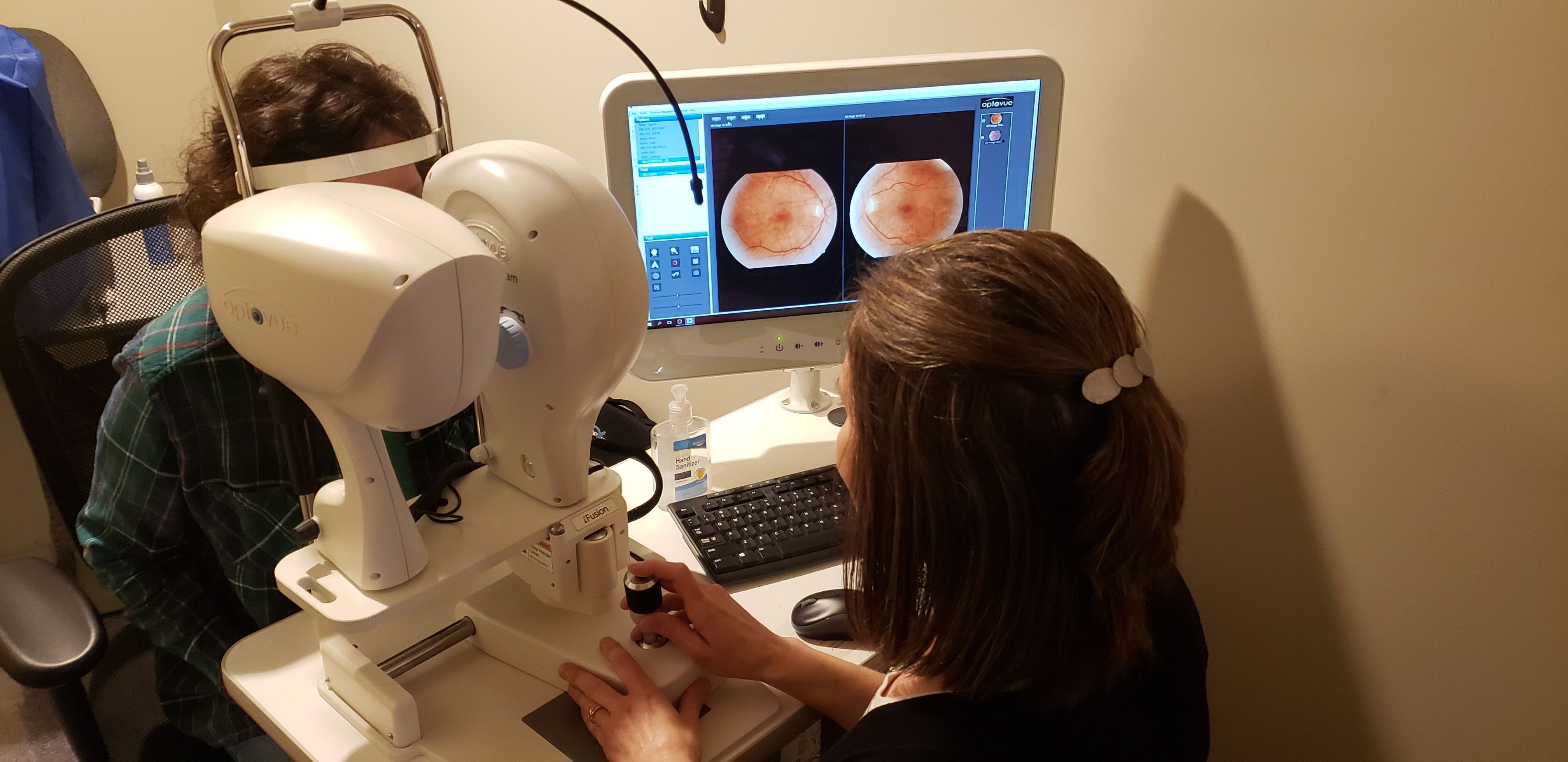
Some men may also experience indigestion, muscle aches, or brief changes in vision, such as blurred sight or a blue tint. While these effects can be unsettling, they are not always serious. Still, paying attention to when they start, how long they last, and whether they worsen can help you decide when to call a doctor.
Less Common but Concerning Reactions

Some people taking fildena may notice effects that are less common but still worth watching. These can include dizziness that lingers, flushing that feels stronger than expected, or nausea that interrupts daily activities.
Others report blurred vision, ringing in the ears, or a rapid heartbeat that seems out of place. Though not always dangerous, these reactions can signal that the body is responding differently than hoped.
If symptoms feel unusual, worsening, or hard to ignore, it is wise to pause and assess what is happening. A brief conversation with a doctor can help decide whether the medicine is the cause.
Paying attention early can make a difference. Even mild discomfort deserves mention if it does not fade or starts affecting sleep, focus, or comfort.
Warning Signs Requiring Immediate Medical Help
If someone takes fildena and suddenly has chest pain, trouble breathing, fainting, or a severe dizziness spell, get emergency help right away. These symptoms can signal a serious reaction that should not be watched at home.
A painful erection lasting more than 4 hours is another urgent warning sign. It can damage the penis if treatment is delayed, so the person should go to the ER immediately.
Also watch for sudden vision loss, hearing changes, or swelling of the face and throat. These rare symptoms need fast medical attention, especially if they appear soon after taking the medicine.
Factors That Can Increase Side Effect Risk

Side effects from fildena can be more likely when a person takes too much, uses it too often, or combines it with alcohol or recreational drugs. Age, liver or kidney problems, and dehydration may also make reactions feel stronger. Even stress or poor sleep can leave someone more sensitive to dizziness, headache, or flushing.
Other medicines matter too. Nitrates, alpha-blockers, and some blood pressure drugs can raise the chance of a sudden drop in blood pressure. Antibiotics, antifungals, and certain HIV medicines may change how fildena is processed in the body, which can increase side effects.
Health history is important as well. Men with heart disease, eye disorders, or a past stroke should be especially careful and talk with a clinician before using it. A full medication review helps lower risk and makes unexpected symptoms easier to spot early.
Medication Interactions and Safety Considerations
Mixing fildena with certain medicines can raise the chance of side effects or change how well it works. This includes nitrates for chest pain, some blood pressure drugs, and alpha-blockers. Always tell your doctor or pharmacist about every prescription, over-the-counter product, and supplement you take, including herbal remedies.
A quick medication review can help prevent unsafe combinations and confusing symptoms. If you notice dizziness, flushing, or an unusual heartbeat after starting fildena, don’t ignore it. Ask whether alcohol, grapefruit products, or other treatments could be adding risk. Open communication makes safer choices easier.
| Safety Check | Why It Matters |
|---|---|
| Prescription medicines | May interact and increase side effects |
| OTC products | Can still affect blood pressure or symptoms |
| Supplements | May have hidden interaction risks |
Talking with Your Doctor about Symptoms
If Fildena causes symptoms that worry you, don’t wait until they become harder to explain. Write down when they started, what they feel like, and whether anything seems to make them better or worse. This simple record can help your doctor spot patterns faster.
Bring a full list of all medicines, vitamins, and supplements you use, even if you take them only now and then. Be sure to mention alcohol, recreational drugs, and any recent changes in your health. These details can matter as much as the symptom itself.
Your doctor may ask how severe the reaction is, how long it lasts, and whether it affects daily activities. Answering honestly can help guide the next step, whether that means watching symptoms closely, adjusting treatment, or getting urgent care.
If you feel embarrassed bringing up a sexual side effect or a private concern, remember that clinicians hear these questions often. Open conversation gives you the best chance to stay safe and get practical advice. MedlinePlus DailyMed