

Common Side Effects Patients May Notice
Many people notice mild stomach upset, nausea, diarrhea, or cramping after taking Cytotec. These effects can feel uncomfortable, but they are often short-lived and may ease as the body adjusts. Drinking fluids and resting can help some patients feel better.
Headache, dizziness, and a general tired feeling may also occur. Some people report a temporary change in appetite or a sense of weakness. If symptoms are mild, they may pass without treatment.
| Common effect | What it may feel like |
|---|---|
| Stomach upset | Nausea, loose stools, or cramps |
Pay attention to how you feel and note whether symptoms improve or linger. If discomfort becomes hard to manage, contact a healthcare provider for guidance.
Serious Reactions That Need Immediate Attention

If you take cytotec and notice severe abdominal pain, heavy bleeding, fainting, or trouble breathing, get medical help right away. These symptoms can signal a serious reaction that should not wait.
Chest pain, swelling of the face or throat, or a fast heartbeat also need urgent attention. A sudden rash, hives, or intense dizziness may mean your body is reacting badly.
Act quickly if symptoms feel severe or unusual for you. Call 911 or go to the nearest emergency room, and contact your healthcare provider as soon as possible.
Factors That Can Affect Side Effect Risk
Side effects with cytotec can vary from person to person, and several practical factors may shape how your body responds. Your overall health, age, other medical conditions, and whether you take additional medicines can all influence risk. People who are sensitive to stomach upset or cramping may notice symptoms more easily, while those with a history of dehydration or digestive problems may feel side effects more strongly.
The dose and how you take the medication also matter, as do alcohol use, smoking, and recent illness. Even stress and not eating well can make discomfort feel worse. Because these influences differ from one patient to another, it helps to share your full medication list and health history with your healthcare provider before starting treatment.
When Side Effects Start and How Long
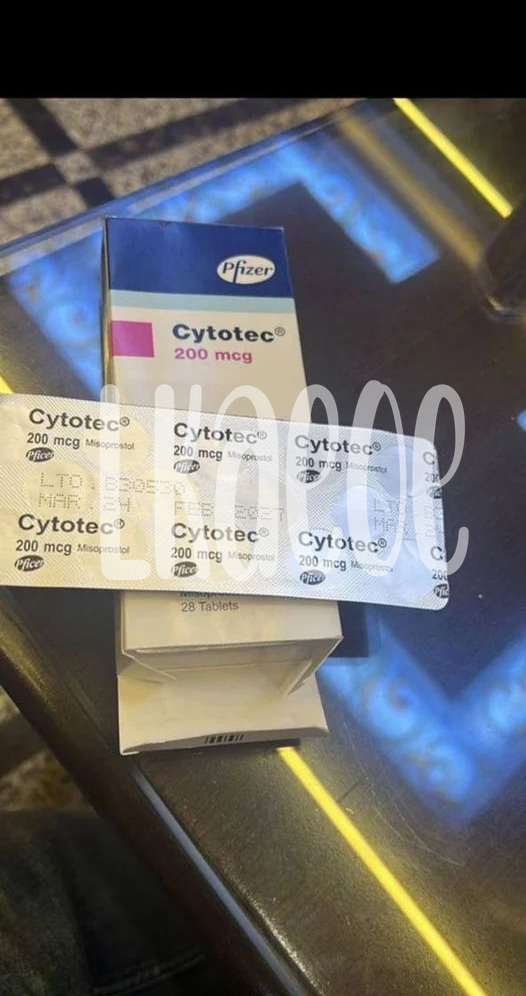
Cytotec side effects can begin soon after a dose, sometimes within hours. Some people notice cramping, diarrhea, nausea, or chills first, while others feel little at all. The timing can vary based on the person and the way the medicine is used.
For many patients, these effects are short-lived and fade within a day or two. However, stomach upset or loose stools may linger longer in some cases.
Pay attention to how your body responds over the next several hours and days. If symptoms seem to be getting worse instead of better, contact your healthcare provider.
Severe pain, heavy bleeding, or signs of dehydration should be addressed right away.
Managing Discomfort and When to Call
If cytotec causes cramping, nausea, diarrhea, or light spotting, small steps may help you feel steadier. Sip water, rest, and eat bland foods if your stomach feels unsettled. A heating pad can ease cramping, and tracking symptoms may help you notice patterns.
Call your healthcare provider if discomfort becomes severe, lasts longer than expected, or keeps you from normal activities. Seek urgent care for heavy bleeding, fainting, fever, or trouble breathing. When in doubt, it is always safer to ask.
Questions to Ask Your Healthcare Provider
Ask your healthcare provider what side effects are most likely for you and which ones mean you should stop the medicine or seek care right away. It also helps to ask how soon symptoms may begin and whether anything you already take could raise your risk.
You can ask what to do if nausea, cramping, diarrhea, or fever appears, and whether those symptoms are expected or concerning. If you are pregnant or could become pregnant, ask about risks and what warning signs require immediate medical attention.
Before you leave, clarify whom to call after hours, when to follow up, and how to report side effects. Trusted references: DailyMed and MedlinePlus.