


How Bupropion May Influence Appetite and Metabolism
Bupropion can subtly quiet appetite by acting on brain chemicals linked to reward and cravings, helping some people feel satisfied sooner. For others, it may also lift energy and motivation, making daily movement feel easier. The effect is usually gradual, not dramatic, and it works best when paired with healthy habits.
Because it may curb snacking and support a more active lifestyle, some people notice a slow shift in weight. Still, responses vary widely; not everyone will see the same change.
| Effect | Possible Result |
| Appetite | Less urge to overeat |
| Energy | More daily activity |
Why Some People Notice Weight Loss

For some people, bupropion seems to quiet food cravings in a way that feels almost subtle at first. Meals may feel more satisfying, and snacking between them can become less frequent.
That shift may happen because the medication affects brain chemicals tied to reward and motivation. When eating feels less driven by impulse, people sometimes notice they naturally choose smaller portions.
Others report a little more energy, which can lead to moving more during the day. That extra activity, paired with reduced appetite, may slowly show up on the scale.
Still, the effect is not the same for everyone. Some notice weight loss early, while others see little change, so results depend on the body, routine, and treatment.
Who Might Benefit Most from Bupropion
People who struggle with low energy and emotional eating may notice bupropion feels like a better fit. It is often chosen by those wanting a medication that may not cause the weight gain linked to some others.
Teh drug can be appealing for patients who value a more activating, focus-friendly effect. It may suit adults managing depression or quitting smoking, especially if appetite changes are a concern.
Some people already carrying extra weight also find this option helpful, since bupropion is less likely to increase cravings. Still, response varies, and medical guidance matters before starting.
For the right person, it can support mood while making weight control a bit easier, offering practical benefits beyond standard treatment.
Common Side Effects That Affect Weight
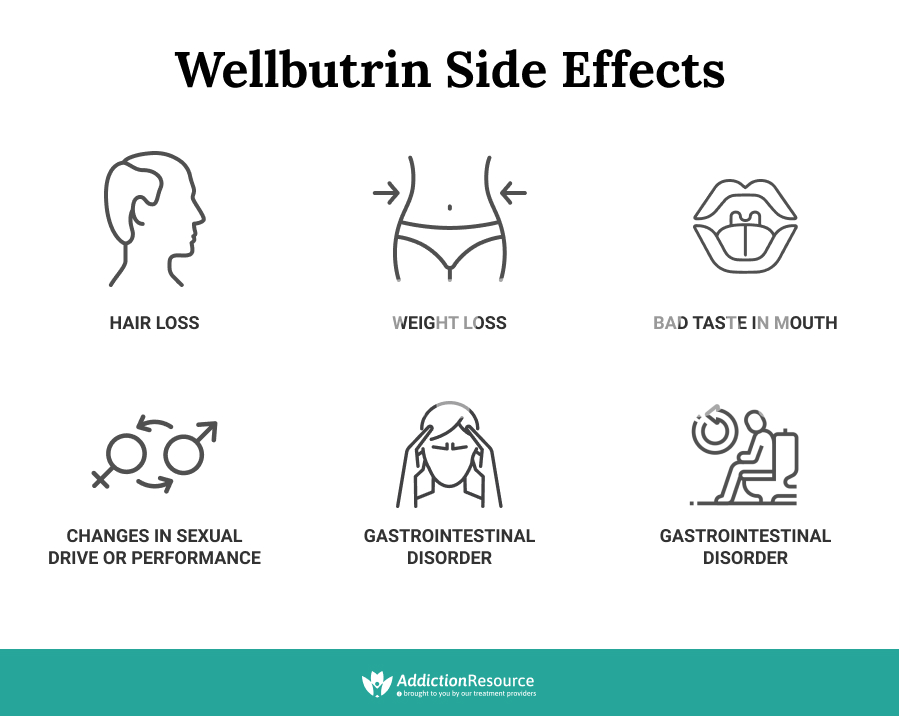
Bupropion can bring dry mouth, nausea, or a jittery feeling, and these effects may quietly change eating habits. Some people notice less desire for snacks, while others skip meals because food seems less appealing.
Sleep trouble can also matter, since a restless night may shift hunger hormones and energy levels. When appetite drops or routines change, weight loss may follow almost before it feels intentional.
For others, the same side effects can feel uneven. If bupropion causes headaches or anxiety, eating patterns may become irregular, making weight changes more Noticable.
These reactions are not the same for everyone, and they often ease as the body adjusts. Still, tracking appetite, sleep, and energy can help spot patterns early.
Bupropion Compared with Other Antidepressants
Compared with many antidepressants, bupropion often stands out because it is less likely to trigger weight gain. Some people even notice a mild drop in appetite, making it feel easier to maintain healthy habits. Teh effect is not dramatic, but it can be a welcome difference for those worried about mood treatment and body changes.
Other medications may slow metabolism or increase cravings, while bupropion tends to feel more energizing. That said, responses vary from person to person. In some cases, weight loss is tied to improved mood, better sleep, and more daily activity rather than the drug alone.
| Compared with SSRIs and older antidepressants, bupropion is often viewed as a more weight-neutral option. |
Safety Tips before Starting the Medication
Before starting bupropion, tell your clinician about seizures, eating disorders, high blood pressure, and any other medicines you take. These details help them judge whether the drug is a safe fit for you. It’s also wise to mention alcohol use, since sudden changes can raise risk.
Your prescriber may begin with a low dose and adjust slowly to lower side effects. Never change the schedule on your own, and avoid crushing or splitting tablets unless instructed. If you feel jittery, very anxious, or have trouble sleeping, report it early so your plan can be adjusted.
Keep a simple check on mood, appetite, and body weight during the first weeks, because changes can appear gradually. If you notice chest pain, a rash, or any seizure-like symptoms, seek urgent care. For deeper reading, see NCBI and Mayo Clinic.