

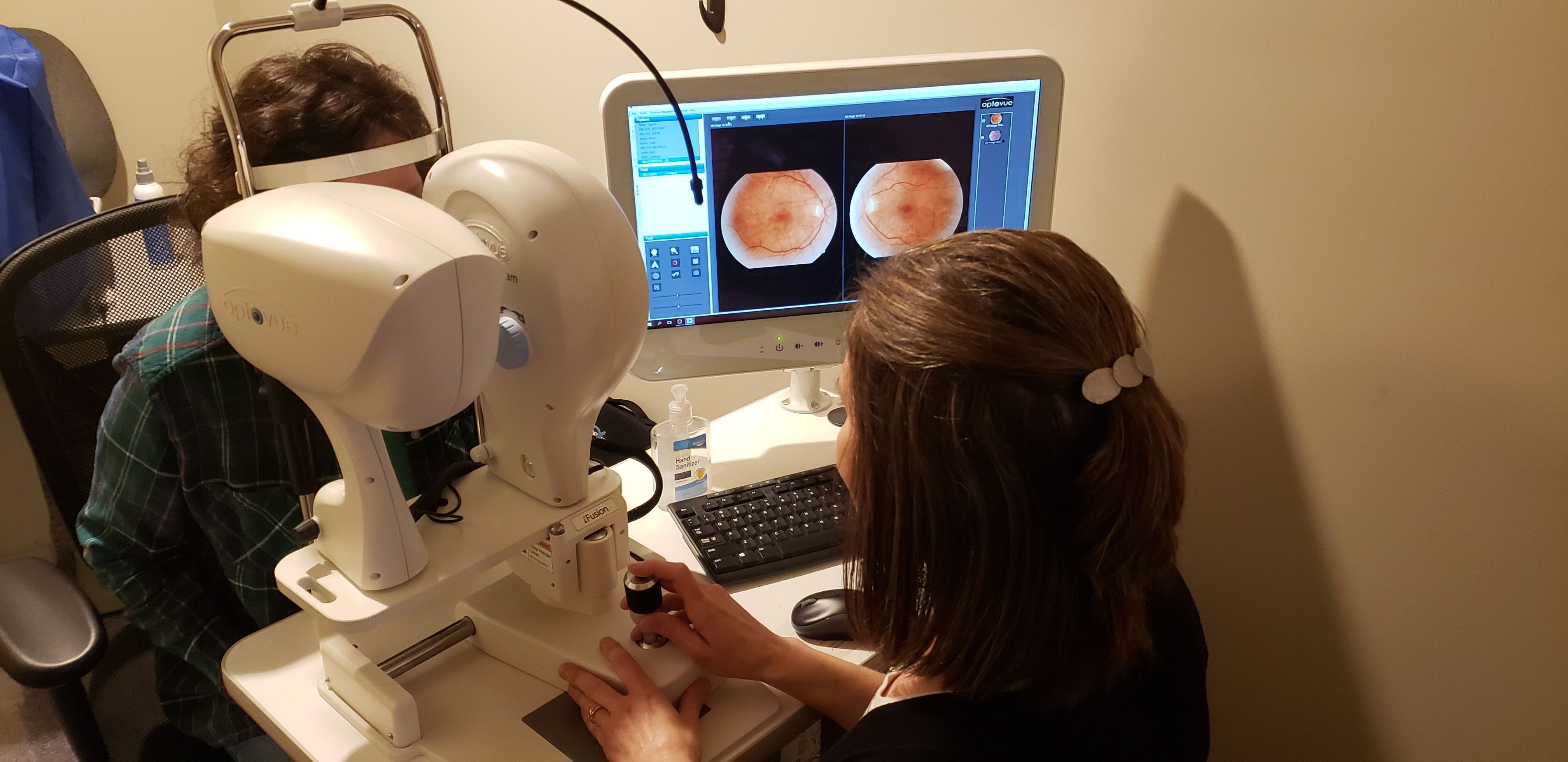
Recognizing Early Allergic Reactions: Rashes to Breathing Trouble
I remember a patient describing a warm itch that started on her forearm within hours of taking amoxicillin — a small patch that bloomed into raised hives. That early, subtle rash or persistent itching can be the first sign that your immune system is reacting. Stop the medicine and call your clinician if new skin changes appear, especially if they spread quickly or are accompanied by swelling around the face or mouth.
Teh more alarming transition includes difficulty breathing, tightness in the throat, wheezing, dizziness, fainting, or a racing heart — symptoms suggest anaphylaxis and require emergency care. If you have an epinephrine auto‑injector, use it and seek help without delay; call emergency services and avoid lying flat if you are struggling to breathe. Remember allergic reactions can occur even after previous exposures seemed fine, so always trust sudden, severe changes.
Identifying Anaphylaxis: Fast Heart Rate, Swelling, Dizziness
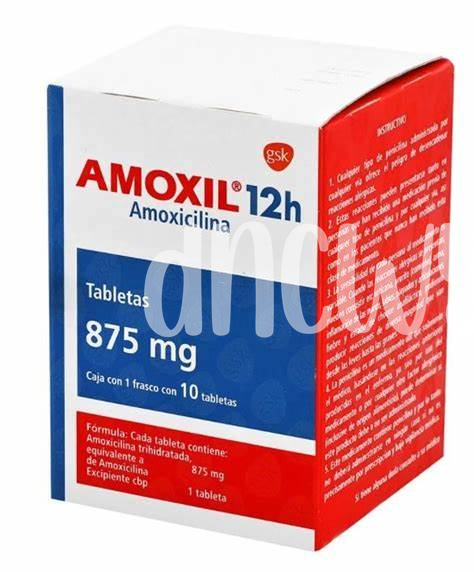
You’re mid-morning and after taking amoxil you feel your chest jump and a frantic pulse, a sudden, alarming change. At first it might seem like anxiety, but a rapid heart rate paired with lightheadedness or faintness can signal something urgent.
Swelling of the face, lips, tongue, or throat may follow, making breathing hard and voice hoarse. Dizziness, confusion, and a sense of impending doom accompany these symptoms. Teh skin may look flushed or pale as blood pressure falls.
If symptoms progress, stop the medication and seek emergency care immediately. Use an epinephrine injector if available, call emergency services, keep the person lying flat with feet elevated, and inform responders about amoxil and any allergies promptly.
Spotting Severe Skin Disorders: Blisters, Sores, Peeling
I remember a patient who started amoxil and joked about a small rash that spread overnight. What began as tiny red patches became tender areas with blisters and shallow sores, making sleep impossible.
Watch for peeling skin or sheets of epidermis lifting — mucous membranes in the mouth and eyes can be involved. These signs are noticable and often accompanied by fever, swollen glands, or intense burning pain; they require stopping the drug and urgent medical review.
If you see widespread blistering, skin detachment, or any mucosal ulceration, seek emergency care; conditions like SJS or TEN progress quickly. Early wound care, fluid support, and specialist input improve outcomes. Do not delay contacting healthcare professionals immediately.
Serious Gastrointestinal Signs: Bloody Diarrhea, Intense Abdominal Pain
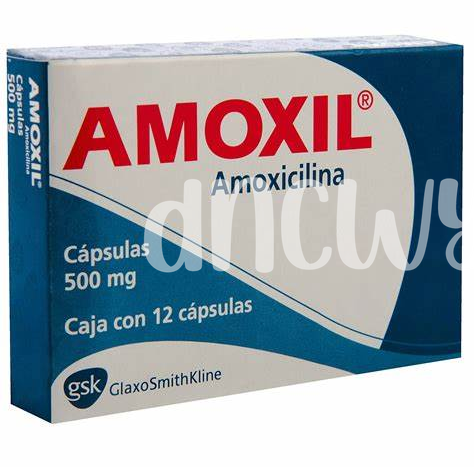
He noticed a sharp, gnawing pain hours after starting amoxil, then found blood in his stool and grew alarmed.
The intensity escalated: relentless cramping, fever, and weakness made walking difficult and worry mounting. Immediate assessment can prevent dehydration and organ damage.
Such signs can signal dangerous infections like C. difficile or GI bleeding; prompt evaluation, tests, and hydration are crucial. Testing may include stool studies, bloodwork, and imaging to pinpoint cause.
Stop the antibiotic and seek immediate medical attention if symptoms are severe or have occured suddenly—don't ignore worsening pain.
Liver and Kidney Alerts: Jaundice, Dark Urine, Swelling
A patient recalled feeling tired with odd abdominal fullness soon after starting amoxil. What began as mild discomfort was ignored, but small signs can be clues. Watching for changes in skin tone or urine color and early swelling gives clinicians a chance to intervene.
If jaundice or dark urine appear, or swelling worsens, seek medical evaluation immediately; blood tests and imaging can often clarify if drug is implicated. Teh sooner you act, the better — prompt response can prevent long-term harm and allow your provider to stop or adjust therapy safely.
When to Seek Emergency Care: Timing and Steps
A sudden change in breathing or consciousness can turn routine treatment into a race against time. If you or someone taking amoxicillin develops chest tightness, tongue swelling, or fainting, call emergency services immediately; rapid response can be lifesaving.
While mild rashes or nausea may be watched for a short period, signs like severe abdominal pain, high fever, or bloody diarrhea need prompt medical review. Keep medication packaging and note when symptoms first occured to help clinicians.
In an emergency, stop the drug, call emergency services, and if trained, begin CPR for someone who is unresponsive. Inform responders about allergies and show the prescription label. Follow up with primary care provider within 24 to 72 hours. https://www.nhs.uk/medicines/amoxicillin/ https://www.mayoclinic.org/drugs-supplements/amoxicillin-oral-route/description/drg-20067058